
If you’ve been living in your home for more than a decade, chances are your roof has seen its fair share of sun, wind, rain, and maybe even a few storms.
Roofs are built to last, but they’re not invincible. Over time, even the toughest materials start to show signs of wear and tear. The tricky part? Roof damage doesn’t always make itself obvious. It can creep in slowly, quietly, until one day you’re dealing with a leak, sagging ceiling, or a repair bill you didn’t see coming.
As someone who works on Sydney roofs every week, I’ve seen how small issues—things most homeowners wouldn’t even notice—can snowball into major problems. The good news is that most of these issues can be caught early and fixed affordably if you know what to look for.
Let’s walk through the most common signs your roof might be showing its age—and what you should do if you spot them.
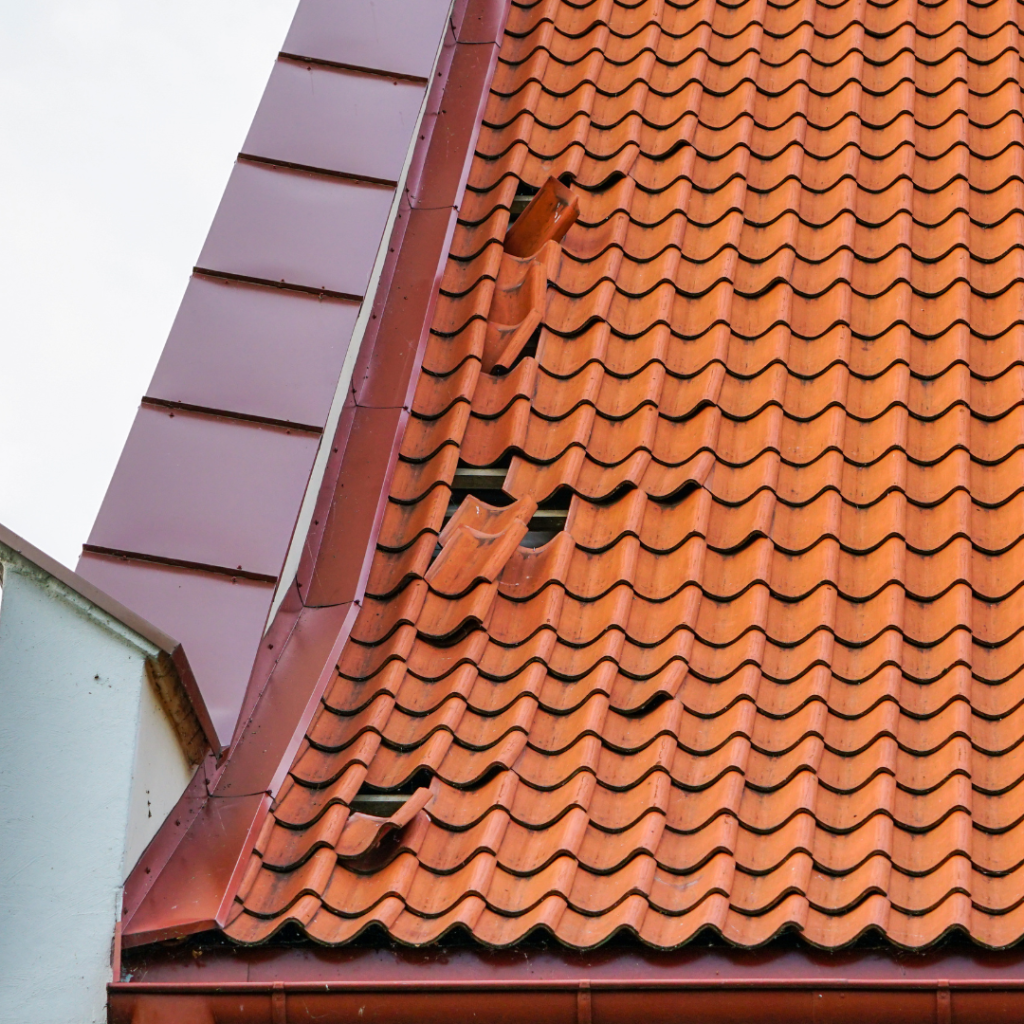
One of the most obvious signs is cracked, broken, or missing tiles. It’s usually the first thing people notice, especially after a storm or a windy day.
Tiles can crack from temperature changes or get knocked loose by falling branches. Even a single missing tile can create a gap that lets water seep into the roof cavity. I’ve inspected homes where one broken tile led to widespread ceiling damage. If you ever spot gaps or chipped tiles from the ground, it’s worth getting a professional to take a closer look.
Metal roofs, while durable, aren’t immune to wear either. Rust and corrosion tend to show up where the protective coating has worn away—especially in coastal suburbs like Bondi or Manly, where salty air speeds up the process. You might notice orange or brown spots, flaking paint, or bubbling around screws and joins. If left untreated, rust can eat through the metal and compromise the structure. A roof treatment or repaint can often stop the damage before it spreads.
Another red flag is a sagging roofline. Your roof should look straight and solid. If it’s starting to dip or bow, that’s a sign something’s wrong underneath. It could be water damage, rotting timber battens, or weakened supports. Sagging isn’t just cosmetic—it can lead to collapse if ignored. If your roofline looks uneven, don’t wait. Get it inspected as soon as possible.
Inside the home, water stains or brown spots on the ceiling or walls are your roof’s way of waving a red flag. Leaks usually start small, and by the time you see visible damage, the problem has already spread. What’s tricky is that the leak might not be directly above the stain. Water can travel along beams and show up metres away from the source. So if you notice any discolouration, don’t just patch the ceiling—find the root cause and fix it properly.
Mould, moss, and algae are another sign your roof needs attention. Green patches or dark streaks might seem harmless, but they trap moisture, which can cause tiles to crack and lift. Mould is even worse—it can spread under your roof materials and into your insulation, creating health risks. A proper roof clean every year or two can help prevent this. At Pure Gutters, we use gentle, eco-friendly treatments that remove growth without damaging your roof.
Flashing is another area that often gets overlooked. It’s the thin metal around chimneys, vents, and skylights that keeps water out. Over time, flashing can warp, lift, or corrode—especially if the sealant breaks down from UV exposure. If water gets under flashing, it can seep into the roof cavity or walls, causing hidden mould and structural damage. During regular maintenance, it’s a good idea to have your contractor check all flashing and sealants. Fixing small sections early is much cheaper than dealing with internal leaks later.
Now, here’s something that surprises a lot of people: your gutters are part of your roof system. If they’re blocked, rusted, or pulling away from the fascia, they can cause water to back up under the roofline. Overflowing gutters can lead to rotting timber, fascia damage, and even foundation problems.
Cleaning your gutters at least twice a year—especially if you live near trees—can make a big difference in your roof’s longevity.
If you have an older metal roof or shingles, you might notice the surface coating starting to fade or flake off. That coating protects against UV damage and corrosion. Once it’s gone, your roof wears down much faster. Shiny patches, bare metal, or tiny granules washing into your gutters are signs that it’s time for a repaint or reseal.
Believe it or not, your roof also plays a big role in your home’s energy efficiency. When insulation gets wet or roof materials start to deteriorate, heat and cool air escape more easily. If your electricity bills have suddenly spiked, it might not just be your air conditioner working overtime—it could be your roof letting heat in or out.
And finally, sometimes it’s just about age. Most roofs in Sydney last between 20 and 30 years, depending on the material and how well they’ve been maintained. Even if your roof looks okay from the outside, once it hits that age range, it’s smart to schedule inspections every year or two. Catching wear early can save you from needing a full replacement.
So what should you do if you notice any of these signs? The earlier you act, the more you’ll save. Regular roof maintenance, minor repairs, and professional inspections go a long way in extending your roof’s life—and avoiding surprise leaks or costly damage.
At Pure Gutters, we don’t just clean gutters. We inspect roofs, repair damage, and give honest advice on whether your roof needs a tune-up or something more serious. If you’ve spotted cracked tiles, sagging sections, or mystery leaks, don’t wait until the next big storm.
Give us a call. We’ll help you keep your roof solid, safe, and ready for whatever Sydney’s weather throws at it.