

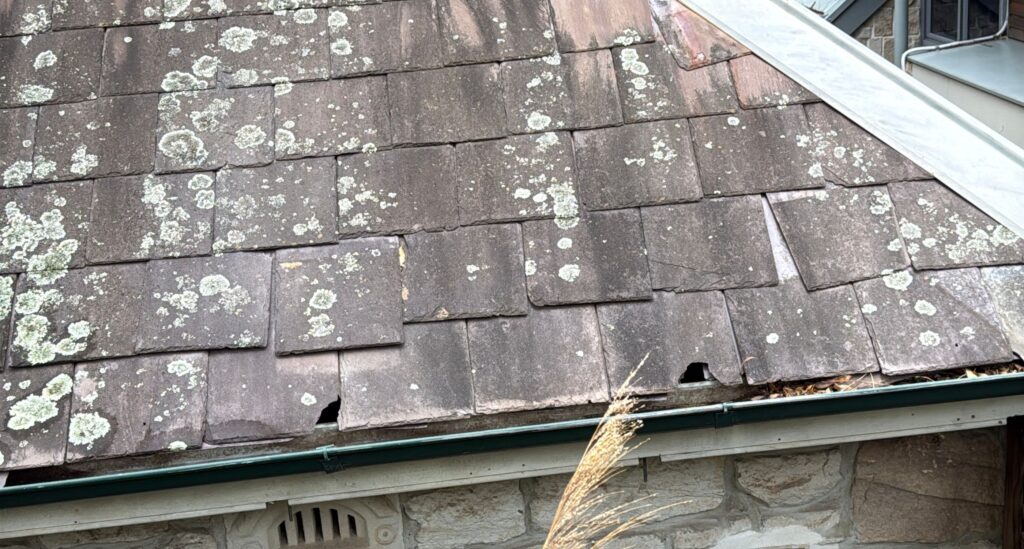
Your roof works tirelessly around the clock to shelter your family, belongings, and structural framing from blistering heat, freezing rains, and howling winds. Yet, because it sits safely out of sight, it often remains completely out of mind until a sudden drip interrupts a quiet evening or a wet stain blooms across your living room ceiling. Roof damage rarely manifests overnight. Instead, it develops through a series of subtle, incremental warnings that compound over months or years.
Learning how to recognize these early indicators allows you to address minor maintenance needs swiftly, preventing catastrophic structural repairs and preserving your hard-earned savings.
You do not need to risk a dangerous climb up a ladder to begin evaluating the health of your roof. In fact, a simple stroll around your yard with a pair of binoculars yields valuable insights into the condition of your home’s top defense layer. Step back onto your lawn or across the street where you can get a clear, unobstructed view of the slope and ridge lines. Pay close attention to the uniform texture of your shingles or tiles. On asphalt shingle roofs, look for areas that appear patchy, discolored, or uneven, which often signals missing, curled, or buckling materials that have succumbed to wind shear or solar degradation.
If your home features a metal or tiled roof, scan for misalignment along the rows. Slipped or cracked tiles create immediate pathways for moisture to bypass your primary barrier and soak into the underlying weatherboard or felt. Similarly, check the physical lines of your roof to ensure there are no sagging dips, particularly along the valleys where two roof slopes meet. A visible dip in the roof surface often points to compromised decking underneath, indicating that moisture has already penetrated the outer materials and begun rotting the structural plywood framing.
Your drainage system serves as a built-in diagnostic tool for the health of your roofing materials. Whenever you clear out accumulated leaves and debris from your gutters, take a moment to closely inspect the silt sitting at the bottom of the channel. On asphalt shingle roofs, you will inevitably notice fine, sand-like particles known as mineral granules. These granules shield the underlying asphalt from harsh ultraviolet radiation. While a small amount of shedding is natural on newer roofs, finding thick layers or coarse piles of dark granules in your gutters means your shingles are nearing the end of their functional lifespan and losing their ability to repel heat and water.
Beyond granules, your downpipes reveal crucial information about water flow and hidden blockages. During or immediately after a rainstorm, observe how water discharges from the bottom of your downpipes. If you notice water trickling slowly while overflowing heavily over the sides of your elevated gutters, a blockage or structural sag is preventing proper drainage. Standing water inside your gutters adds massive weight to your fascia boards, causing water to pool against the edge of your roofline where it can seep backward under the lowest row of shingles.
The flat areas of a roof rarely leak first. Instead, water almost always finds its way inside through joints, seams, and penetrations where different architectural surfaces meet. Flashings are thin strips of sheet metal or waterproof membrane installed around chimneys, skylights, vent pipes, and wall intersections to direct water away from vulnerable gaps. Over time, constant exposure to extreme temperature shifts causes these metal strips to expand, contract, warp, or pull away from adjoining brickwork and timber siding.
Examine the seals around your roof penetrations carefully. Cracking, drying, or deteriorating sealant around plastic vent pipes and skylight frames creates direct channels for rain to enter your home. Similarly, rust spots on metal flashings indicate that protective coatings have worn away, leaving raw steel exposed to moisture and corrosion. If you spot flaking mortar, loose step flashings around a chimney, or visible gaps around exhaust vents, scheduling a prompt repair will keep these high-risk junction points completely watertight.
Some of the clearest warnings of roof compromise appear inside your house long before water drips onto your furniture. Your attic cavity or roof space serves as an early warning detection zone. Head up into your roof space on a bright, sunny afternoon with a flashlight. Turn off the light temporarily and scan the underside of the roof deck for any bright pinpricks of daylight shining through. If sunlight can penetrate your roof material, rainwater can certainly follow the exact same path during a heavy storm.
Next, turn your flashlight back on to inspect the wooden rafters, ceiling joists, and insulation batts. Look for dark water rings, streak marks, or soft spots on the timber framing, paying close attention to the areas directly beneath roof valleys, chimneys, and vents. Moisture often travels down angled rafters before dripping onto ceiling plasterboards, meaning an interior water stain might be located several feet away from the actual roof entry point. Furthermore, if your attic smells persistently damp, musty, or humid, poor roof ventilation may be trapping moisture, creating an environment ripe for structural decay and toxic mold growth.
Even if you rarely visit your attic, your daily living areas provide plenty of visual clues regarding hidden roof issues. Discoloration on interior ceilings and walls is one of the most obvious signs that water is migrating through your home’s structure. These stains often begin as faint, yellowish-brown rings that gradually expand after every major rainfall. Ignoring a small spot on your bedroom or hallway ceiling allows moisture to saturate the plasterboard, eventually leading to bubbling paint, peeling wallpaper, and sagging ceilings that risk collapsing under the weight of trapped water.
Another subtle indoor warning sign is the sudden appearance of mold or mildew along top wall corners and ceiling perimeters. While bathroom humidity can occasionally cause surface mildew, widespread dampness along upper exterior walls typically points to roof edge leaks or poor attic ventilation. Additionally, if you notice your energy bills spiking unexpectedly during extreme summer or winter months, compromised roof insulation caused by lingering moisture may be allowing conditioned air to escape, forcing your heating and cooling systems to work overtime.
Catching roof damage in its earliest stages empowers you to make informed, cost-effective decisions about home maintenance. Simple fixes, such as replacing a single damaged shingle, applying fresh sealant around a vent pipe, or clearing a clogged downpipe, are straightforward tasks that prevent extensive structural harm. Establishing a habit of conducting seasonal visual checks every spring and autumn ensures that minor wear and tear never catches you off guard.
However, safety should always remain your top priority when dealing with home maintenance. Walking on elevated, sloped, or wet rooftops presents severe safety hazards and can inadvertently damage delicate tiles or shingles underfoot. If your visual inspection reveals widespread material degradation, sagging rooflines, persistent interior leaks, or extensive flashing damage, reaching out to a licensed professional roofing contractor is the safest and most reliable choice. A qualified specialist can perform a comprehensive, hands-on assessment, identify hidden vulnerabilities, and execute durable repairs that keep your home safe, dry, and protected for years to come.