

How to Protect Your Roof from Sydney's Wild Weather
f you live in Sydney, you already know—we get a bit of everything. One day you’re sweating through a 38°C scorcher, the next there’s hail smashing the driveway and sideways rain pounding the windows. And while we all get to hide inside, your roof? It’s out there copping the worst of it.
I run a roof and gutter business here in Sydney, and let me tell you—I’ve seen tiny cracks turn into waterfalls and a bit of moss turn into a full-blown jungle. If you want your roof to go the distance (and avoid the chaos that comes with leaks, mould, and expensive repairs), here’s my straight-up advice on how to protect it—season after season.
☀️ 1. Sydney Sun Can Fry More Than Just Your Aircon
Our summers are intense. And your roof? It’s sitting up there under full UV exposure, soaking up every ray. Over time, that heat bakes roofing materials—especially tiles and metal sheets—until they start to crack, fade, or warp.
What you can do:
- Keep it clean – Dirt, dust and mould trap heat, making damage worse.
- Repaint or reseal faded areas, especially if you notice patchiness.
- Use heat-reflective coatings to keep temperatures down (bonus: helps your cooling bill).
- Check seals and flashing for cracking—these fail faster in hot weather than you think.
Pro tip: If your ceiling’s feeling like a sauna in summer, your insulation or roof ventilation might be off. Worth checking while you’re at it.
🌧️ 2. Storm Season Isn’t Just Scary—It’s Destructive
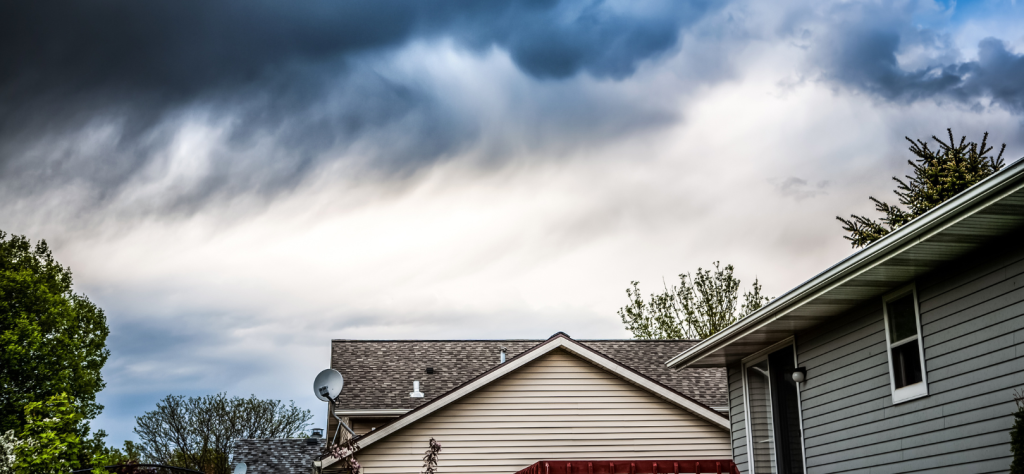
From November through March, Sydney’s weather can turn from postcard-perfect to roof-ripping in about ten minutes. When the clouds roll in, we get everything from flash floods to golf-ball-sized hail.
Here’s how I help clients storm-proof before the chaos hits:
- Clean your gutters and downpipes – blocked gutters = overflow + rot
Secure any loose tiles or ridge capping – wind loves to lift the weak points - Check flashing around chimneys and skylights – these are leak magnets
- Trim overhanging trees – branches turn into battering rams during storms
Install gutter guards or mesh – especially if you’re surrounded by gum trees
Annual roof checks before storm season are your best defence. Trust me, it’s cheaper than emergency callouts after a wild night.
💨 3. Living Near the Coast? Salt Air Is Wrecking Your Roof
If you’re lucky enough to call Bondi, Manly, or Coogee home, your roof is battling more than just rain and heat. Salt air is a silent killer—it speeds up corrosion on anything metal and slowly wears down seals and fixings.
Protect your coastal home with:
- Regular roof washing to clear off salt and sand
- Storm-grade fixings and stainless steel flashing
- Anti-rust coatings or galvanised screws
- Close monitoring of metal roofs for early rust patches or lifting sheets
Coastal homes need a little more maintenance—but hey, the view makes up for it.
🧼 4. Don’t Let Moss and Mould Take Over
Sydney’s humid, shady corners are perfect breeding grounds for roof mould and algae. It starts small—a green patch here, a black streak there—but left alone, it can lift tiles, trap moisture, and weaken your entire roof structure.
Here’s how I keep it at bay:
- Soft wash roof treatments – no pressure washers, just smart cleaning
- Eco-friendly solutions that kill mould without harming your plants
- Trimming trees to let in sun and airflow
- Installing zinc or copper strips along ridges to stop regrowth
Important: Never blast your roof with high-pressure cleaners. That’s the fastest way to ruin tiles and push water under your roofing.
🔧 5. Book a Professional Roof Inspection (Seriously)
You can only spot so much from the ground. By the time a leak shows inside your house, the damage is already done. A proper roof inspection spots the things you can’t:
- Cracked or shifted tiles
- Lifted flashing
- Rusted screws
- Blocked valleys
- Signs of pest nests (hello birds under solar panels)
We often bundle roof checks with gutter cleaning, window washing, and solar panel bird-proofing—a one-stop shop to get your whole exterior sorted in one go.
I get it—roof stuff isn’t glamorous.
Why Bother?
But here’s why it matters:
- It keeps the inside of your house dry, safe, and mould-fre
- It protects your insulation, ceilings, and wall
- It adds to your property value and street appeal
- And it gives you serious peace of mind when the storm apps start lighting up
Regular maintenance beats emergency repair bills every single time.