

Sydney is one of the best places in the world to live, but if there’s one thing every homeowner knows, it’s that the weather can be unpredictable. One week brings heavy rainfall and strong winds, and the next delivers scorching heat and intense UV exposure. While most people think about how the weather affects their outdoor plans, few stop to consider what it’s doing to their roof every single day.
Your roof is your home’s first line of defence against the elements. It takes the full force of every storm, every hot summer day, and every gust of wind. Over time, those conditions add up, causing wear and tear that can lead to leaks, structural issues, and costly repairs. Having worked on countless roofs across Sydney, I can say one thing with certainty, weather‑related roof damage is far easier and cheaper to prevent than it is to fix.
Sydney’s climate creates unique challenges for roofs. They face heavy rainfall, strong winds, hail, high UV exposure, humidity, temperature fluctuations, and falling branches. Unlike other regions where roofs deal with one main threat, Sydney roofs are constantly exposed to multiple stress factors throughout the year.
Rain might seem harmless, but it’s responsible for many of the most common roofing problems homeowners encounter. Water finds every weak spot—cracked tiles, damaged flashing, loose ridge caps, and blocked valleys. When heavy rain hits, these small vulnerabilities quickly become major leaks. Gutters play a critical role during rainfall, directing water safely away from the roof. When they’re blocked, water backs up, saturates roof edges, and seeps into fascia boards. Many leaks blamed on roofing materials are actually caused by poor drainage.
Sydney storms can be intense and often arrive with little warning. They can break roof tiles, lift flashing, damage ridge caps, and send branches crashing onto roofs. Even if a storm doesn’t cause immediate leaks, it can weaken roofing components and create problems that appear months later. After severe weather, it’s wise to check for debris, loose tiles, water stains inside the home, overflowing gutters, or sagging sections. Early inspections often prevent major repair bills.
Strong winds are another silent threat. Many homeowners assume their roof is fine because nothing has blown off, but wind damage isn’t always visible. Powerful gusts can lift tiles slightly, loosen flashing, and shift ridge caps, creating small gaps that allow water to enter during future rainfall. Over time, repeated wind exposure weakens materials and compromises the roof’s integrity.
While storms get most of the attention, Sydney’s sun can be just as damaging. Prolonged UV exposure causes sealants to deteriorate, roofing materials to expand and contract, paint coatings to fade, and rubber components to crack. The effects happen slowly, which is why homeowners often don’t notice until leaks begin. Heat also causes expansion and contraction. On hot days, roof surfaces can reach extreme temperatures, then cool rapidly at night. This constant cycle causes materials to shift, crack, and fatigue. Over the years, these movements lead to damaged flashing, loose fasteners, and weakened pointing.
Hail isn’t an everyday occurrence in Sydney, but when it strikes, it can cause serious damage. Cracked tiles, dented metal roofing, damaged gutters, and compromised coatings are common results. The problem is that hail damage isn’t always visible from the ground, so professional inspections after major hail events are often worthwhile.
Humidity adds another layer of complexity. Sydney’s moisture levels encourage mould, moss, and lichen growth, as well as timber deterioration. These issues may seem cosmetic at first, but they trap moisture and accelerate roof decay. Regular cleaning and maintenance help prevent this buildup and keep the roof healthy.
Trees are another factor that interacts with Sydney’s weather. Many suburbs are lined with beautiful, mature trees, but they can pose risks. Falling branches during storms, leaf accumulation in gutters, and increased bird activity all contribute to roof damage. Homes surrounded by trees typically require more frequent roof and gutter maintenance to stay protected.
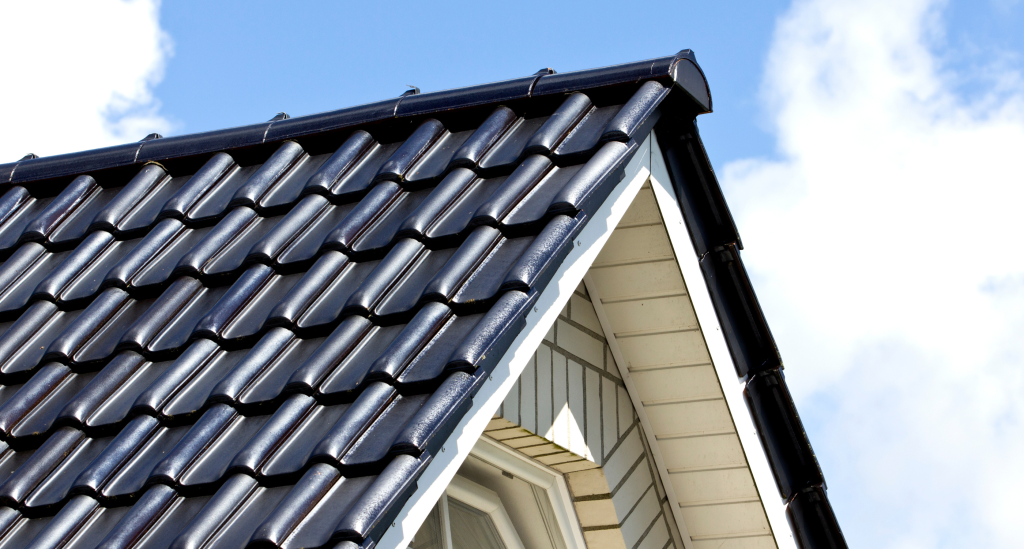
Different roof types respond differently to weather. Tiled roofs often suffer from cracked tiles, dislodged ridge caps, and moss growth. Metal roofs face rust formation, expansion and contraction stress, and loose fasteners. Older roofs are naturally more vulnerable because materials weaken over time, previous repairs deteriorate, and protective coatings wear away. Regular inspections become increasingly important as roofs age.
Most roof leaks don’t happen because of sudden failure. Weather gradually weakens the system until water finally finds a way through. UV exposure breaks down materials, wind loosens components, and rain exploits those weaknesses. Once water enters the roof space, internal damage begins. Preventative maintenance interrupts this cycle before it leads to costly repairs.
Fortunately, there’s plenty homeowners can do to protect their roofs from Sydney’s unpredictable weather. Scheduling regular roof inspections is one of the most effective steps. Professionals can identify loose tiles, flashing issues, early leaks, and storm damage before they worsen. Finding problems early saves money and prevents emergencies.
Keeping gutters clean is another simple but crucial task. Clean gutters improve drainage, reduce leak risks, protect fascia boards, and extend roof life. For most Sydney homes, cleaning every three to six months is ideal, especially after storms or during autumn when leaves accumulate.
Trimming overhanging trees helps prevent branch damage, leaf buildup, and excess debris. It also discourages birds from nesting near the roofline. Addressing small repairs quickly is equally important. A cracked tile today can become a major leak during the next storm. Prompt repairs are always more affordable than emergency call‑outs.
Bird proofing is another smart preventative measure. Birds often block gutters and build nests that trap debris and water. Installing bird mesh or spikes helps protect both roofs and drainage systems.
Homeowners should consider a professional roof inspection if their roof is more than ten years old, if water stains appear indoors, if a major storm has recently passed, if gutters frequently overflow, or if birds are nesting on the roof. Even if everything looks fine, an inspection every few years ensures hidden issues are caught early.
Every day, your roof absorbs the impact of Sydney’s changing weather—from intense summer heat and UV exposure to heavy rainfall and strong winds. The elements are constantly testing your roofing system. The homeowners who avoid expensive repairs aren’t lucky—they’re proactive.
Regular inspections, routine gutter maintenance, prompt repairs, and preventative care all help ensure your roof continues protecting your home for years to come.
A little maintenance today is far easier than dealing with a major leak tomorrow.
If you’re concerned about how Sydney’s weather may be affecting your roof, book a professional roof inspection and maintenance service to identify potential issues before they become costly repairs.