

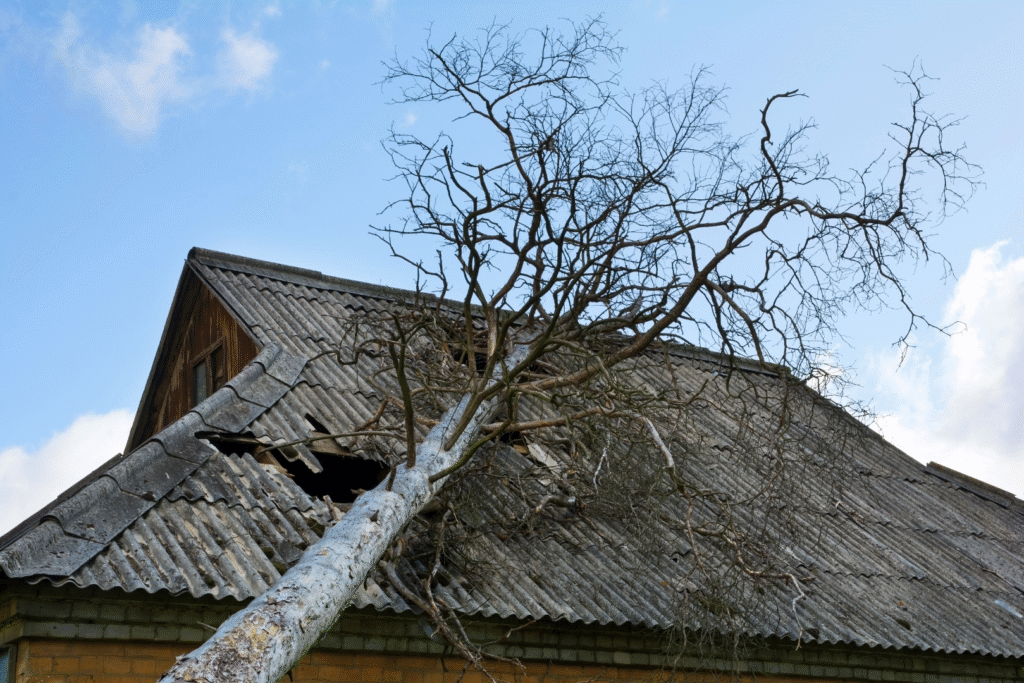
Storms are a part of life in Sydney. Heavy rain, strong winds, hail, and falling tree branches can put enormous pressure on your roof in a very short period of time. The problem is that storm damage isn’t always obvious.
Many homeowners assume that if water isn’t pouring through the ceiling, everything must be fine. Unfortunately, some of the most expensive roof repairs begin with damage that goes unnoticed. A loose tile, a small flashing issue, or a blocked valley may not seem serious after a storm, but weeks later it can turn into a major leak.
I’ve seen countless situations where a simple post‑storm inspection could have prevented thousands of dollars in repairs. The good news is that you don’t need to climb onto your roof to identify many of the warning signs. With a careful eye and a little awareness, Sydney homeowners can spot roof damage after a storm and know when it’s time to call a professional.
Storm damage often goes unnoticed because homeowners focus on obvious issues like fallen trees, broken fences, power outages, or garden damage. Meanwhile, roof problems remain hidden. Cracked tiles, lifted flashing, blocked gutters, loose ridge caps, and water intrusion are all common after storms. These issues worsen gradually, which is why inspecting your roof after severe weather is so important.
Sydney roofs face several different weather threats throughout the year. Heavy rain exposes weaknesses in tiles, flashing, gutters, and roof valleys. Strong winds shift tiles, lift flashing, loosen ridge caps, and blow debris onto roofs. Hail cracks tiles, dents metal roofing, and damages gutters. Falling branches create impact damage, break tiles, and sometimes cause structural issues. Even moderate storms can create roofing problems if conditions are severe enough.
The safest way to start inspecting your roof is from the ground. Walk around your property and look for visible damage such as missing, slipped, or cracked tiles. Even one damaged tile can allow water into the roof cavity. Check for debris like branches or leaves that may have accumulated. Heavy debris can damage materials and block drainage pathways. Pay attention to sagging areas. Roofs should appear straight and even. Sagging sections may indicate water accumulation, structural stress, or hidden damage that requires immediate professional attention.
Gutters are often the first part of the roofing system affected by storms. Look for overflow marks that show water has spilled over, detached sections where brackets have loosened, or blockages caused by storm debris. Leaf buildup, twigs, and downpipe blockages are common after storms. Blocked gutters increase the likelihood of roof leaks during future rainfall.
Sometimes the first signs of roof damage appear inside the home. Ceiling stains, bubbling paint, and damp smells are all indicators of water intrusion. A musty smell after a storm may suggest hidden moisture in the roof cavity. These symptoms often develop before visible leaks occur. Water doesn’t always enter directly through the ceiling; it can also cause damp walls, water stains near windows, and peeling paint. Listening for unusual sounds such as dripping, water movement inside walls, or creaking can also reveal hidden moisture or structural movement.
The most common roof damage Sydney homeowners face after storms includes broken tiles, damaged flashing, ridge cap problems, blocked valleys, and gutter damage. Tile damage is extremely common, caused by wind‑blown debris, falling branches, or hail impact. Broken tiles expose the underlying structure to water. Flashing protects vulnerable roof areas, but storms can lift, bend, or separate it, leading to leaks around chimneys, skylights, and roof penetrations. Strong winds often loosen ridge caps, leaving cracked pointing, displaced ridge tiles, or visible gaps. Roof valleys direct water toward gutters, but storm debris frequently accumulates there, causing overflow and internal leaks. Gutters themselves can suffer from overflow, loose brackets, and leaks at joints.
Some storm damage requires immediate attention. Active leaks, large sections of missing roofing, sagging roof areas, significant structural movement, or extensive water staining are all signs you need emergency roof repairs. Waiting allows damage to spread rapidly.
Solar panels add another layer of complexity. After a storm, inspect for visible debris around panels, bird nesting activity, or reduced performance. Storms can shift debris underneath panels, increasing the risk of blockages and drainage issues.
Professional inspections matter because many forms of storm damage aren’t visible from the ground. Experts can identify hidden tile damage, flashing issues, early leaks, and structural concerns. The earlier problems are found, the cheaper they are to repair. Ignoring storm damage allows small issues to become expensive repairs. Roof leaks, ceiling replacement, mould growth, timber rot, and structural repairs are all common consequences. What starts as a cracked tile can eventually cost thousands.
While storms can’t be prevented, damage can often be minimised. Regular maintenance helps identify weaknesses before storms arrive. Clean gutters improve water flow and reduce overflow risks. Trimming nearby trees lowers the chance of impact damage. Addressing small repairs promptly ensures minor issues don’t become vulnerable points during severe weather.
After any major storm, a simple inspection can prevent major repairs later. Check roof tiles visible from the ground, gutters and downpipes, ceiling stains, water damage around walls and windows, roof valleys, debris accumulation, and signs of active leaks.
One of the biggest mistakes homeowners make after a storm is assuming everything is fine because there are no obvious leaks. Storm damage isn’t always immediate. Often, warning signs appear days or weeks later. By taking a few minutes to inspect your property after severe weather, you can identify potential problems before they become expensive emergencies. Your roof protects everything underneath it, and making sure it’s still doing its job after a storm is one of the smartest maintenance decisions you can make.
If your home has recently been through a storm, book a professional roof inspection in Sydney to ensure hidden storm damage doesn’t turn into a costly repair.