
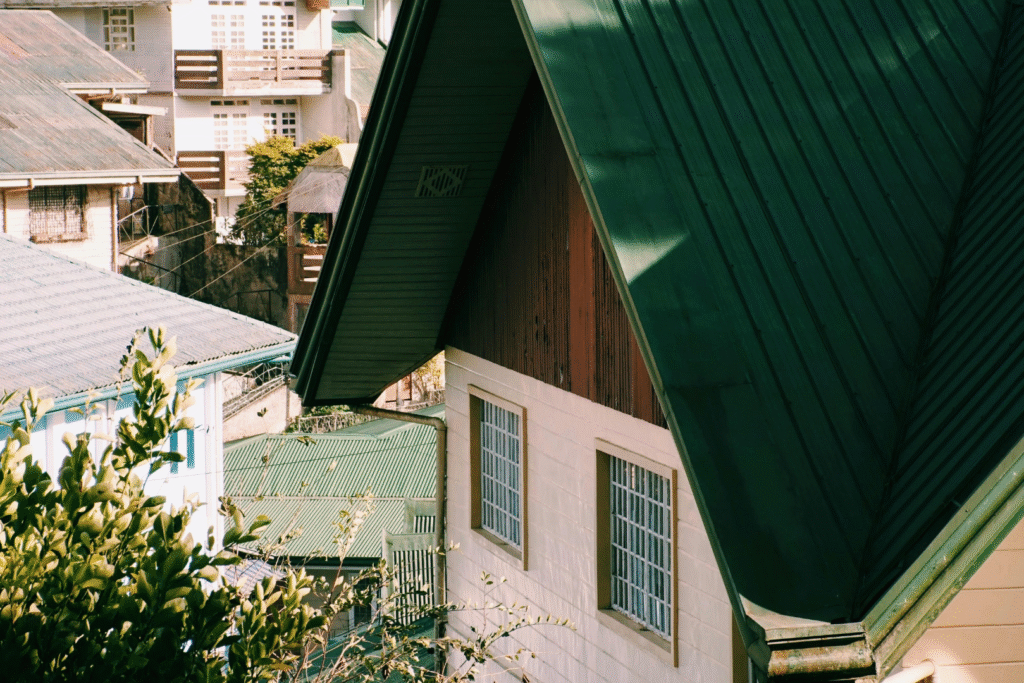
Sydney is home to some of Australia’s most beautiful older and heritage properties. From charming Federation homes and Victorian terraces to historic commercial buildings, these properties showcase craftsmanship and character that modern construction simply can’t replicate. Owning a heritage or older home comes with pride, but it also brings unique maintenance challenges. One issue many owners don’t anticipate is the damage birds can cause.
Working on countless older properties across Sydney, I’ve noticed that birds are particularly attracted to heritage homes. The very architectural features that make these buildings stunning often create ideal nesting and roosting locations for pigeons and other pest birds. Unfortunately, bird activity can lead to blocked gutters, roof damage, corrosion, staining, and expensive restoration work if left unchecked.
The good news is that effective bird proofing doesn’t have to compromise the appearance or character of your property. With the right approach, you can protect your home while preserving its historic charm. Birds love older homes because they provide everything they’re looking for—decorative rooflines, chimneys, wide eaves, roof cavities, ornate ledges, traditional tiled roofs, and dormer windows. These features create sheltered locations that birds view as safe nesting sites. Unlike many modern homes, older buildings often have numerous small gaps and architectural details that offer ideal access points. Once birds establish themselves, they often return season after season.
Several bird species regularly cause problems for heritage property owners. Pigeons are by far the most common issue, attracted to roof cavities, gutters, solar panels, and decorative ledges. They tend to stay close to reliable nesting sites, making long‑term prevention essential. Indian mynas are highly adaptable and frequently nest in roof spaces, creating significant noise and displacing native bird species. Sparrows, though smaller, can still create substantial nesting activity within roof cavities and gutters. Starlings often gather in groups and cause similar problems to pigeons when nesting opportunities exist.
Bird activity affects every property, but older homes are particularly vulnerable. Birds use twigs, leaves, feathers, and grass to build nests, and these materials frequently end up inside gutters and downpipes. Blocked gutters lead to overflow, roof leaks, damp walls, and foundation issues. For heritage homes, water damage can be especially costly to repair. Many older Sydney homes feature original roofing materials such as terracotta tiles, slate roofing, and decorative ridge caps. Bird activity can crack tiles, dislodge components, and accelerate deterioration. Replacing heritage roofing materials is often expensive and time‑consuming.
Bird droppings also contain acidic compounds that damage stonework, paint, roofing materials, and decorative features. Over time, this results in staining and surface deterioration. Birds that gain access to roof cavities can create large nests, noise disturbances, and hygiene issues. These infestations are difficult to remove once established.
The biggest concern many owners have is appearance. They worry that bird proofing may look unsightly, damage heritage features, reduce property value, or alter architectural character. Fortunately, modern bird proofing solutions are designed to be discreet and minimally visible. The key is selecting the right solution for the property.
Bird spikes remain one of the most effective deterrents for heritage buildings. They prevent birds from landing on ledges, roof ridges, decorative features, and gutters. They are humane, long‑lasting, low maintenance, and discreet when installed correctly. Modern spikes can often be matched to the surrounding structure to minimise visual impact. Bird mesh is ideal for blocking access to vulnerable areas such as roof cavities, eaves, solar panels, and internal roof spaces. It is nearly invisible from ground level, humane, and provides long‑term protection. This solution is particularly valuable where nesting activity is already occurring.
Entry point exclusion is another effective strategy. Many older homes have small gaps that allow birds to enter. Professional bird proofing often includes sealing access points, installing protective barriers, and preventing future nesting. This approach addresses the root cause of the problem. Gutter protection systems are also useful, reducing debris accumulation, limiting nesting opportunities, and improving water flow. This is especially beneficial for homes surrounded by mature trees.
Many heritage homeowners have added solar panels to improve energy efficiency. Unfortunately, solar panels create one of the most attractive nesting environments for pigeons. The sheltered cavity beneath panels provides warmth, protection, and easy access. Bird mesh installed around solar panels is typically the most effective solution. It protects both the roof and the solar system itself.
DIY bird proofing often falls short. Homeowners try plastic owls, reflective tape, hanging objects, or temporary barriers. These methods may work briefly, but birds quickly adapt. Professional bird proofing focuses on physically preventing access rather than relying on temporary scare tactics. Preservation should always be a priority when working on older homes. Professional bird proofing avoids damaging original materials, respects heritage requirements, remains visually discreet, and provides long‑term protection. A poorly installed solution can create almost as many problems as the birds themselves.
Signs your heritage home needs bird proofing include birds repeatedly landing on the roof, nesting material in gutters, droppings around the property, scratching sounds in the roof space, and frequent gutter blockages. These signs often indicate that birds have already begun establishing a nesting site. Many homeowners postpone bird proofing because the birds seem harmless, but ongoing bird activity can lead to roof repairs, water damage restoration, gutter replacement, cleaning expenses, and structural deterioration. Preventative bird proofing is almost always more affordable than repairing bird‑related damage.
For the best results, bird proofing should be part of a broader maintenance strategy. Regular gutter cleaning keeps drainage systems functioning properly. Roof inspections identify damage early. Tree maintenance reduces access routes and debris buildup. Prompt repairs prevent birds from exploiting small weaknesses. Together, these measures help preserve older homes for future generations.
Sydney’s older and heritage homes are some of the city’s most valuable and distinctive properties. Unfortunately, the architectural features that make them special also make them attractive to birds. Without proper protection, bird activity can lead to blocked gutters, roof damage, staining, and costly restoration work. The good news is that modern bird proofing solutions are highly effective, discreet, and designed to preserve the appearance of heritage properties. By acting early, homeowners can protect both their investment and the unique character that makes their home special.