

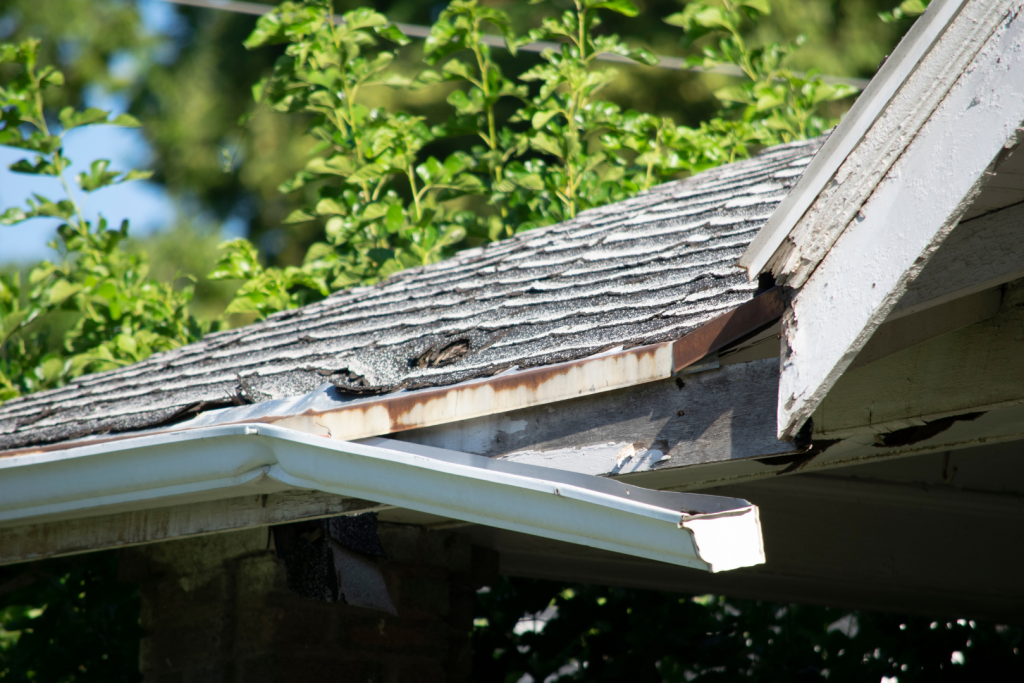
Your home is likely your biggest financial investment, and the roof overhead acts as its primary shield against Sydney’s harsh coastal environment. From scorching summer heatwaves and intense ultraviolet radiation to sudden hail storms and heavy coastal downpours, local roofs take a relentless beating throughout the year.
While a high-quality terracotta tile or Colorbond metal roof is engineered to last for decades, no roofing system lasts forever. Recognizing the subtle and obvious warning signs that your Sydney roof is approaching the end of its functional life allows you to plan ahead for a replacement before minor leaks evolve into catastrophic structural water damage.
Understanding the general lifespan of your specific roofing material is the most logical starting point when assessing its remaining serviceability. Terracotta tiles and concrete roof tiles across Sydney homes typically have a functional life expectancy ranging from thirty to fifty years, whereas older corrugated iron or early Colorbond metal roofs generally perform well for twenty-five to forty years. If your home was built several decades ago and still features its original roof deck without any major past restorations, it is highly probable that the system is entering its final operational chapter.
Even if an older roof looks relatively intact from ground level, structural materials naturally degrade over time under Sydney’s intense climatic cycle. As tiles age, they become increasingly porous, absorbing rainwater during long wet spells and placing excessive weight on the underlying timber rafters. Metal sheets lose their protective zinc or paint coatings after decades of exposure to salt-laden coastal air, leading to hidden corrosion around fastener holes and overlapping seams. Once a roof reaches or passes its intended life span, minor spot repairs become mere temporary band-aids on a system that fundamentally needs total replacement.
Walking around your property perimeter to inspect your roof tiles yields valuable clues regarding structural health. On concrete and terracotta tiled roofs, finding multiple cracked, chipped, broken, or completely slipped tiles indicates widespread material brittleness. When tiles reach the end of their life, they become so fragile that stepping on them during routine maintenance causes them to snap like biscuits. If you constantly notice fresh tile fragments lying on your lawn after windstorms, your tiles have lost their structural integrity.
Another major red flag on tiled roofs is the condition of the ridge capping mortar. The bed of mortar and pointing compound that holds ridge tiles in place naturally expands and contracts with Sydney’s seasonal temperature shifts. Over decades, this mortar dries out, cracks, crumbles, and washes away into your gutters. If you see chunks of mortar sitting in your gutter channels or notice loose ridge tiles sliding out of alignment, the watertight seal at the highest point of your roof is compromised, allowing wind-driven rain to enter your ceiling space freely.
For Sydney properties featuring corrugated iron or Colorbond metal roofing, rust is the ultimate indicator that a replacement is overdue. While modern metal roofs receive advanced multi-layer protective treatments, older installations gradually lose their protective barriers. Initial surface rust around fixing screws, sheet overlaps, and valley gutters eventually transforms into deep, flaky structural corrosion that eats completely through the metal sheeting.
Special attention must be paid to flashings, which are the thin metal strips installed around chimneys, skylights, wall intersections, and vent pipes. Flashing seals expand and contract constantly, eventually cracking, rusting, or lifting away from adjoining brickwork. Once flashing corrosion or separation occurs across multiple roof sections, patching individual areas becomes inefficient. Widespread rust across metal sheets and valley gutters signals that the protective integrity of the entire roof deck has failed.
Some of the most serious warnings that a roof is nearing the end of its life appear inside your home rather than outside on the tiles. Water stains spreading across your interior ceilings or creeping down top wall corners confirm that water has bypassed your primary roof barrier. These stains often begin as faint, yellowish-brown rings that expand after every major rainfall event, indicating that moisture is saturating your ceiling plasterboard.
If you step up into your roof void with a flashlight, you can inspect the health of the underlying structural framing directly. Check the timber rafters, battens, and top plates for dark water streaks, damp insulation batts, white mold growth, or soft, rotted wood. If daylight is visible shining through multiple gaps in the roof deck, or if the roofline exhibits a visible dip or sags when viewed from the street, trapped moisture has likely compromised the structural timber trusses. A sagging roofline is a critical structural warning that requires immediate professional evaluation and replacement.
A practical financial sign that your roof has reached the end of its life is the frequency and cost of ongoing repairs. If you find yourself calling a local roofer every few months to fix fresh leaks, replace broken tiles, or re-seal flashing, those piecemeal repair bills quickly add up.
Investing thousands of dollars into repeatedly patching a dying roof is rarely cost-effective compared to putting those funds toward a brand-new, fully warrantied roof replacement that guarantees complete protection for decades.
Additionally, an aging, compromised roof often manifests in unexpectedly high quarterly energy bills. As roofing materials degrade and tile underlayment breaks down, your roof’s thermal barrier fails. Heated air escapes rapidly during winter, while searing solar heat bakes your ceiling cavity throughout summer. This forces your air conditioning and heating systems to work overtime to maintain a comfortable indoor temperature.
Replacing a worn-out roof with modern, insulated materials restores your thermal envelope, lowers your energy consumption, and provides absolute peace of mind through every Sydney season.