
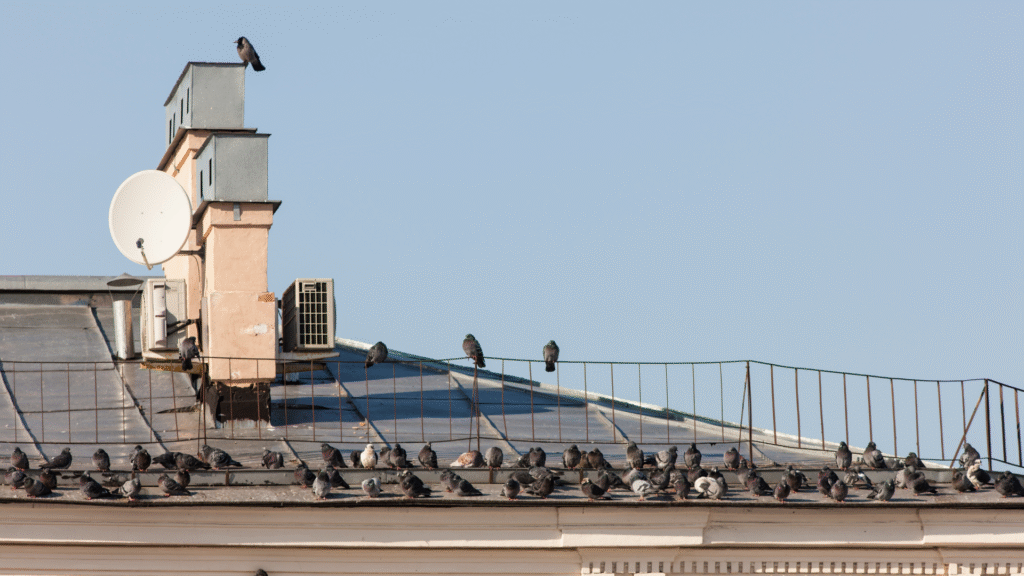
Running a successful commercial operation in Sydney requires relentless attention to detail, from managing daily logistics to maintaining a polished brand reputation. Yet many business owners across the CBD, Parramatta, and industrial hubs like South Sydney overlook a serious threat perching directly above their heads. Pest birds like feral pigeons, Indian mynas, starlings, and seagulls view flat commercial rooftops, heating shafts, signage, and expansive solar arrays as ideal urban real estate.
Without proactive physical deterrents, a flock of birds can turn a commercial facility into a noisy, unsanitary, and expensive maintenance nightmare. Investing in professional roof bird proofing is not merely an aesthetic choice; it is a vital strategy for protecting your capital assets, ensuring workplace health and safety compliance, and preserving your professional image.
Commercial roof structures represent a major financial investment, but pest birds can rapidly undermine their structural integrity. Bird droppings contain high concentrations of uric acid, a corrosive chemical compound that actively eats through building materials. Over time, accumulated droppings dissolve protective paints, corrode metal roofing sheets, degrade concrete waterproofing membranes, and rot timber framing. For businesses equipped with commercial solar panel systems, bird activity under and around the panels is especially damaging. Nesting materials trap heat and moisture while droppings coat panel surfaces, drastically reducing solar energy output and creating severe fire hazards.
Furthermore, birds are persistent builders that drag twigs, leaf litter, plastic wrappers, and street trash onto roof decks to construct their nests. During heavy coastal downpours, this loose debris washes directly into box gutters, downpipes, and drainage sumps. When drainage channels become blocked, heavy rainwater accumulates on the roof deck with nowhere to go. The trapped water eventually backs up under roof flashing, flooding internal ceilings, ruining expensive inventory, damaging sensitive electronics, and causing catastrophic ceiling collapses that force sudden operational shutdowns.
Beyond physical property damage, unmanaged bird populations pose severe workplace health and safety risks for employees, maintenance contractors, and visiting clients. Bird droppings harbour dozens of transmissible pathogens, fungal spores, and dangerous bacteria, including histoplasmosis, psittacosis, and salmonella. When droppings dry out under the Sydney sun, they crumble into microscopic dust particles that enter commercial air conditioning intakes, circulating hazardous contaminants throughout enclosed office spaces and retail showrooms.
Food production facilities, commercial kitchens, logistics warehouses, and healthcare sites face even stricter regulatory scrutiny. A single pest bird infestation can result in failed health audits, massive fines from local councils, or temporary closure orders from regulatory bodies like New South Wales Food Authority. Additionally, birds carry secondary parasites like bird mites, ticks, and fleas. When young birds leave the nest, hungry mites migrate through ceiling hatches and ventilation ducts into workstations, causing painful bites, skin irritation, and severe discomfort for staff members. Wet bird droppings on walkways, fire exits, and loading docks also create slick slip hazards that expose businesses to costly personal injury claims.
Your building’s exterior presentation is often the very first interaction clients, investors, and customers have with your business brand. A storefront, hotel entrance, or corporate headquarters caked in unsightly white droppings, falling feathers, and foul odors creates an immediate impression of neglect and poor hygiene. For retail centres, alfresco dining venues, and car dealerships, bird activity directly deters foot traffic and ruins the customer experience, driving potential clients straight to competitors.
Pest birds can also become aggressive during their spring breeding cycles. Pigeons and mynas frequently dive-bomb employees and customers walking through outdoor plazas, car parks, and loading zones to protect their nests. Resolving these visual and safety hazards after an infestation takes hold requires expensive specialized pressure washing, biohazard sanitization, and emergency building repairs. Proactive proofing ensures your building maintains a clean, modern, and welcoming atmosphere that aligns with your brand’s high standards.
Effective commercial bird management requires specialized physical exclusion systems designed to handle heavy pest pressure while enduring Sydney’s harsh weather conditions. Standard domestic scares like plastic owls or visual tape are entirely ineffective against smart urban birds. Professional commercial proofing relies on long-lasting, architecturally discreet solutions tailored to your specific building layout.
Heavy-duty stainless steel solar panel mesh creates a tight perimeter barrier around solar arrays, blocking entry underneath panels without voiding manufacturer warranties. Commercial-grade, UV-stabilized polyethylene netting encloses entire roof voids, air conditioning plant rooms, and loading bay rafters, completely denying birds access to sheltered roosting spots. For narrow ledges, window sills, and parapets, stainless steel bird spikes or spring-tensioned wire systems create unstable landing zones that force birds to move elsewhere.
By partnering with experienced commercial pest control specialists, Sydney businesses can implement custom, humane, and durable proofing systems that deliver long-term peace of mind and protect their bottom line for years to come.