
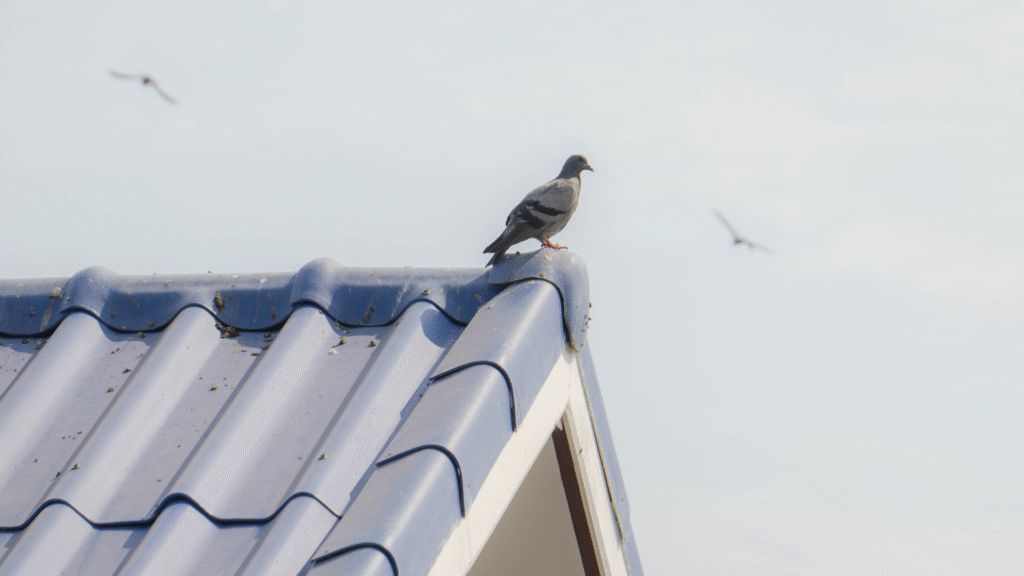
Sydney’s leafier suburbs and bustling coastal areas offer a wonderful setting for residential living, but our rooftops often become prime real estate for pest birds looking for shelter. Invasive species like feral pigeons, Indian mynas, and European starlings view the dark, warm interior of a roof space as an absolute paradise. Once birds discover a small gap along your roofline, they quickly establish nests, bringing in twigs, grass, and debris that compromise your home’s hygiene and structural integrity.
Preventing feathered intruders from infiltrating your attic cavity requires a proactive approach, combining smart structural maintenance with purpose-built physical barriers to keep your sanctuary peaceful, clean, and bird-free year-round.
To keep birds out of your attic cavity, you first need to understand how they gain entry in the first place. Birds are remarkably determined creatures, and small species like sparrows and mynas can squeeze through openings as narrow as a few centimeters. One of the primary entry zones on traditional Sydney homes is the gap beneath the lowest row of roof tiles along the eaves. If tile capping mortar has weathered away or if fascia boards have shifted over time, these spaces create open doorways directly into the roof void.
Metal corrugated and trim-deck roofs also present unique access points if eave fillers or corrugated foam seals are missing or decaying. The wavy profile of metal roof sheets naturally leaves small archways above the flat fascia line. Birds effortlessly spot these openings from nearby trees and fly right up under the sheeting to build their nests. Additional high-risk access points include loose or broken ridge capping, unmeshed roof vent openings, cracked chimney flashing, and gaps around gables where wall claddings meet the roof structure. Inspecting these areas thoroughly during clear weather gives you a clear roadmap of where protection is urgently required.
Allowing birds to remain inside your roof cavity introduces a cascade of severe property and health issues. Nesting materials, including dry leaves, twigs, plastic scraps, and paper, accumulate rapidly in the void. When situated near internal electrical wiring, downlights, or heating ducts, these dense piles of dry organic matter pose a genuine fire hazard. Furthermore, birds often pull down ceiling insulation batts to fashion their nesting cups, destroying your home’s thermal efficiency and driving up heating and cooling costs.
Beyond structural hazards, the sanitation risks associated with nesting birds are substantial. Bird droppings carry harmful fungal spores and bacteria that contaminate ceiling spaces. As droppings dry out, airborne dust can travel down through air conditioning vents, light fixtures, and ceiling hatches into your main living quarters. Furthermore, pest birds carry bird mites, which are tiny parasites that feed on fledglings. Once young birds mature and leave the nest, millions of hungry mites migrate downward through ceiling plasterboard in search of new hosts, resulting in painful, itchy bites for human residents.
The most reliable, long-term method for preventing birds from entering roof voids is installing commercial-grade physical barriers that block access entirely. Replacing broken or missing mortar along tile edges and ridge cappings closes off many traditional entryways. For metal roofs, installing specialized metal eave seals or high-density foam filler strips underneath the corrugated profile closes the natural gaps along the fascia, stopping birds from creeping under the roof sheets.
Where larger architectural gaps exist, high-tensile stainless steel mesh or heavy-duty galvanized wire mesh provides total defense. Fitting custom mesh barriers over open eaves, chimney flues, gable vents, and subfloor air bricks allows your roof space to maintain necessary airflow and ventilation while physically blocking birds from entering. For homeowners with solar panel installations, attaching specialized solar panel mesh around the entire perimeter of the array prevents birds from using the sheltered space under the panels as a stepping stone into the main roof structure.
While physical barriers form your primary defense layer, managing your surrounding landscape reduces the attraction of your roofline in the first place. Overhanging tree branches act as convenient launching pads for birds, giving them an elevated vantage point to inspect your roof for gaps and weaknesses. Pruning back large branches so they sit at least two to three meters away from your roofline eliminates easy access and reduces the amount of leaves falling onto your roof deck.
Additionally, eliminating food and water sources around your property encourages birds to move away from your yard. Ensure outdoor trash bins have tightly fitted lids, clean up fallen fruit from backyard trees, and avoid leaving pet food dishes outside overnight. If you enjoy maintaining a bird bath, place it far away from your house perimeter so birds do not associate your roofline with daily feeding and drinking routines.
While minor sealing tasks around ground-level eaves can be tackled by handy homeowners, comprehensive bird proofing often requires working at heights on steep, dangerous roof slopes. Furthermore, if birds have already established an active nest inside your ceiling void, removing them requires specialized care. In New South Wales, native bird species are protected by law, meaning active nests containing eggs or chicks must not be disturbed without proper permits.
Licensed bird control professionals possess the safety gear, legal knowledge, and high-grade proofing materials needed to handle complex infestations safely. Experienced technicians perform a comprehensive site evaluation, safely clear away old contaminated nesting materials, sanitize the roof void to eliminate bacteria and bird mites, and install durable, discreet physical proofing barriers. Investing in expert proofing ensures your Sydney property remains permanently protected, keeping your home clean, quiet, and fully secured against uninvited feathered visitors.