

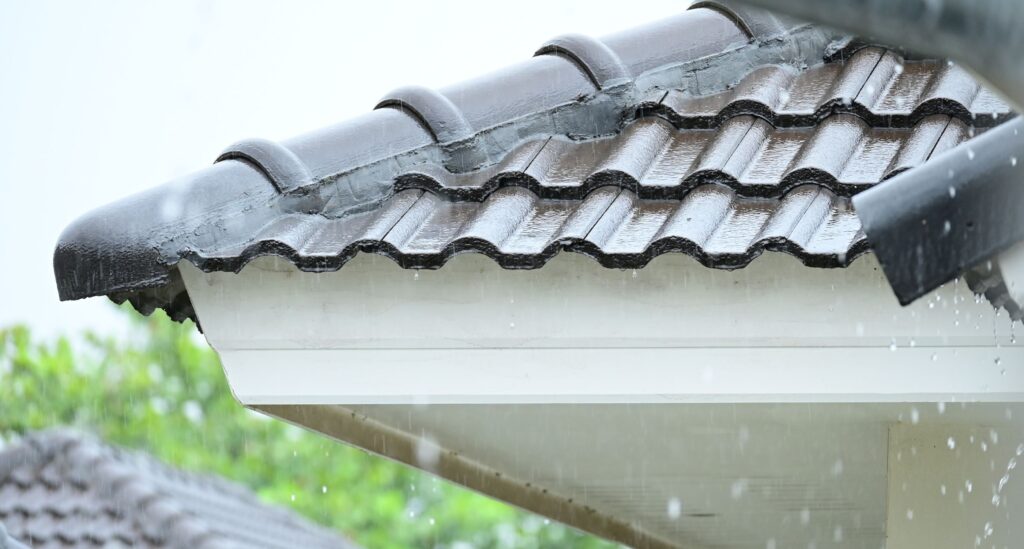
Spring in Sydney is a magical time of year, bringing warmer days, blooming native gardens, and outdoor living back to life. However, alongside the sunshine, the turn of the season also brings unpredictable weather patterns, sudden downpours, and intense spring storms. As the winter chill fades away, local homeowners begin ticking off their seasonal home maintenance tasks. While painting the deck or tuning up the lawnmower often takes priority, your roof’s drainage system deserves a spot at the top of your spring preparation list. Ensuring your roof channels and downpipes are completely clear and structural sound is the single most effective way to shield your living space from costly water damage when those heavy spring skies open up.
The climate across greater Sydney offers a unique combination of native foliage and sudden rainfall events. Over the autumn and winter months, eucalyptus trees, jacarandas, and deciduous varieties drop massive amounts of leaves, twigs, bark, and seed pods directly onto rooftops. This organic matter gradually migrates down into the channels, forming a dense, heavy sludge that sits quietly in your drainage system throughout the drier cold months. When the warm spring weather arrives, it often brings intense localized squalls capable of dropping huge volumes of water in a matter of minutes.
When heavy rain hits a roof space blocked with winter buildup, the water has nowhere to go. Instead of flowing smoothly down your downpipes and out toward the stormwater system, it pools and quickly overflows. This creates an immediate risk for internal water ingress, where rainwater forces its way underneath roof tiles or sheet metal flashing, running down internal wall cavities and pooling on ceiling plasterboard. What starts as a simple clogged channel can rapidly turn into a major disaster involving collapsed ceilings, ruined electrical wiring, and warped timber floors. Taking a proactive approach before the first major storm hits saves you from frantic emergency repairs and expensive insurance claims.
Preparing your drainage channels involves much more than just scooping out loose leaves. Winter weather takes a quiet toll on metal and PVC systems alike. Cold nights combined with lingering moisture accelerate rust on older metal gutters, while thermal expansion and contraction can cause joints, seams, and corner brackets to loosen or crack. Before you begin clearing debris, a careful visual inspection is crucial to ensure the physical structure is intact. Look closely for subtle signs of sagging along the roofline, which indicates that heavy, waterlogged debris has pulled the supporting brackets away from your timber fascia boards.
You should also examine the undersides of your eaves and internal soffits for peeling paint, water staining, or damp patches. These visual clues mean water has already been overflowing backward into your home during recent light rains. Pay extra attention to downpipe connections, checking that fittings remain tightly secured and that downpipes discharge freely into your stormwater drains or rainwater tank filters. If your downpipes are packed tight with impacted dirt and leaves, water will back up all the way to the roof line, rendering your main channels completely useless regardless of how clean they appear on top.
Clearing out accumulated winter muck requires the right tools, proper safety precautions, and a methodical approach. Safety must always come first when working at heights. Always use a sturdy, level extension ladder secured on stable ground, and never overreach to scoop out debris out of comfortable arm’s length. Wearing heavy-duty gardening gloves and eye protection shields you from sharp metal edges, rust flakes, and sharp twigs hiding beneath the wet leaf layer. A small hand trowel or a dedicated plastic scoop works wonders for lifting out heavy sludge without scratching protective roof coatings.
Work systematically away from downpipe openings so you do not accidentally push more debris down into the vertical pipes. Once the bulk of the solid leaves and mud has been scooped out into a bucket, grab your garden hose to flush out remaining fine dirt and small particles. Flushing with water also doubles as a real-time test of your system’s slope and flow rate. Watch how quickly the water moves toward the outlets. If you notice pooling in certain spots, your system may have lost its proper fall, requiring adjusting brackets to restore a smooth downward gradient.
For many Sydney households, spring rain is a welcome source of water for garden beds and rainwater collection tanks. However, washing months of decaying leaf matter, bird droppings, and accumulated street dust into your water storage system is a recipe for foul odors and contaminated water. Before the spring rains arrive, ensure your rainwater tank diverters, leaf strainers, and first-flush systems are thoroughly cleaned and fitted with fine mesh screens. This prevents dirty roof runoff from fouling your stored water supply, keeping it fresh and safe for your garden throughout the coming summer.
Additionally, damp, leaf-filled roof channels act as an open invitation for unwanted pests. The combination of standing water and decaying organic material creates the ideal breeding ground for mosquitoes, which can become a major nuisance as warm evenings return. Furthermore, birds, rodents, possums, and cockroaches are naturally drawn to damp debris, using it for nesting material or as a stepping stone into your roof void. Keeping your channels clean deprives these pests of water and shelter, adding an extra layer of protection to your family’s health and comfort.
While manual cleaning is essential, investing in preventive measures can significantly reduce how often you need to haul out the ladder. Installing high-quality, professional-grade mesh or leaf guards acts as a protective shield over your roof channels. Metal mesh guards allow rainwater to pass through effortlessly while deflecting leaves, twigs, and large debris away off the roof edge. This is especially beneficial for homes located near leafy bushland reserves or under large eucalyptus canopies in regions like the North Shore, Northern Beaches, and Hills District.
However, even with guards installed, occasional inspections remain necessary. For multi-storey properties, homes with steep roof pitches, or homeowners who prefer to avoid working at heights, hiring a qualified local professional is the safest and most thorough option.
Professional technicians possess commercial-grade vacuum extraction equipment that quickly removes stubborn sludge, flushed blockages, and leaves without damaging your roof or making a mess on the ground below. Partnering with experienced specialists ensures your entire drainage system is fully optimized, structurally sound, and ready to handle whatever wild spring weather Sydney delivers.