
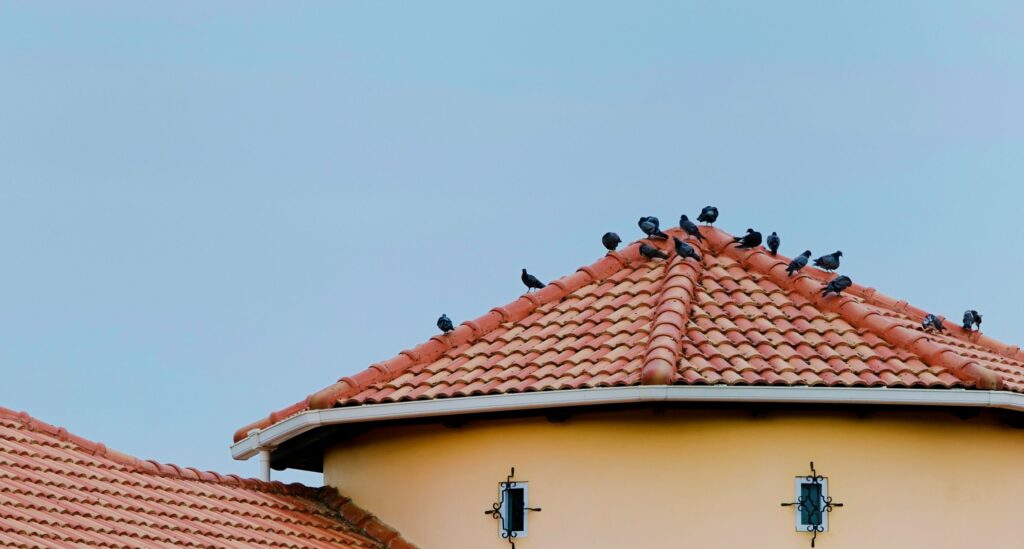
Living in Sydney comes with countless perks, from gorgeous coastal views to sunny afternoons spent relaxing in the backyard. However, sharing our beautiful harbour city with local wildlife sometimes presents unexpected challenges for homeowners.
While native birds are a wonderful part of the Aussie landscape, pest birds like feral pigeons, Indian mynas, and starlings can quickly turn your peaceful retreat into a noisy, dirty, and potentially damaging living situation.
Many property owners don’t realize they have a genuine avian issue until significant structural harm has already occurred. Recognizing the early warnings can save you thousands of dollars in repairs while keeping your living environment clean and hygienic.
One of the most immediate indicators that uninvited feathered guests have moved in is the condition of your roof. Solar panels have become a staple across Sydney rooftops as homeowners strive for energy efficiency, but they also create the absolute ultimate resort for urban birds.
The gap between the panels and your roof tiles provides shade from the blazing hot sun, protection from torrential downpours, and safety from predators. If you notice birds frequently flying under your solar array carrying twigs, dry grass, or debris, you are witnessing the early stages of a full-scale home invasion. Over time, these nests trap heat and moisture, drastically reducing the efficiency of your solar system and creating a severe fire hazard directly on your roof.
Beyond solar setups, the physical appearance of your roofing material will tell a clear story. Accumulations of white, acidic droppings along the ridgelines, gutters, and downpipes are more than just an eyesore. Bird droppings contain uric acid, which actively corrodes metal roof sheets, eats through painted surfaces, and causes ceramic or terracotta tiles to degrade over time. If you constantly see streak marks running down your brickwork, windows, or outdoor patio walls, it means birds are roosting directly above those areas on a daily basis. Ignoring these corrosive deposits eventually leads to water leaks during heavy coastal storms, compromising the structural integrity of your timber framing inside.
Your senses will often detect a pest bird problem long before you physically spot a nest tucked away in a wall cavity. Homes around the northern beaches, inner west, and western suburbs frequently feature intricate eaves, pergolas, and roof overhangs that offer cozy shelter. If you hear constant fluttering, scratching, or soft scampering overhead while relaxing in your living room, birds have likely gained access to your roof void. Early morning chirping might sound quaint at first, but relentless cooing, squawking, and juvenile cries right above your bedroom ceiling at dawn will rapidly ruin your sleep cycle and peace of mind.
Along with the persistent noise, an unmistakable foul odour usually follows an unchecked infestation. As nesting material accumulates along with droppings, unhatched eggs, and food scraps brought in by adult birds, a pungent, musty smell begins to permeate the ceiling space. During humid Sydney summer days, this unpleasant scent intensifies and can seep down through light fixtures, air conditioning vents, and ceiling insulation. If your home suddenly smells damp and organic despite having no visible indoor water leaks, you should suspect that a bird colony has established residence in your attic cavity.
The risks associated with pest birds extend far beyond property damage and noise nuisance. Bird droppings harbour numerous harmful pathogens, fungi, and bacteria that can easily become airborne when dry. Breathing in dust contaminated with these pathogens poses genuine health risks to young children, elderly family members, and anyone with existing respiratory conditions like asthma.
Furthermore, when birds nest in downpipes and guttering, their droppings and debris contaminate the rainwater runoff, creating serious sanitation issues for households that utilize rainwater harvesting systems for gardening or home washing.
Additionally, birds rarely travel alone. They carry a host of secondary parasites, most notably bird mites, lice, and fleas. Bird mites are microscopic arachnids that feed on the blood of nesting birds. When young chicks mature and leave the nest, millions of hungry mites left behind begin searching for a new blood source. They travel through tiny cracks in your ceiling, down internal walls, and into bedrooms, leading to uncomfortable bites, skin irritation, and intense itching for human occupants. If family members are waking up with mysterious insect bites despite no pets being present in the house, a bird nest directly overhead is often the hidden culprit.
Clogged drainage systems are another major sign that your property urgently requires professional intervention. Birds are naturally drawn to gutters because they offer elevated vantage points and easy access to fresh water. Unfortunately, as they build nests and drop organic matter, your gutters quickly fill up with dense debris.
During typical Sydney summer storms, water cannot flow freely toward the downpipes. Instead, it overflows backwards under the roof tiles, flooding internal wall cavities and damaging ceiling plasterboards.
If you observe grass or tiny weeds literally sprouting out of your elevated guttering lines, it means bird droppings and seeds have created a nutrient-rich soil layer up on your roof. This vegetation traps sitting water, leading to rapid rusting of metal gutters and rotting of timber fascia boards. Fixing water-damaged ceilings and replacing rotted fascia timber is an expensive structural repair that can easily be avoided by implementing comprehensive, professional bird exclusion measures early on.
When homeowners first notice these warning signs, the instinct is often to try quick, inexpensive fixes bought from the local hardware store. Fake plastic owls, reflective tape, spray-on deterrents, and cheap plastic spikes might seem appealing, but urban pest birds are remarkably clever and highly adaptable. Pigeons and mynas quickly realize that stationary plastic predators pose no actual threat, and they will soon be seen perched comfortably right next to the decoy. Incorrectly installed spikes can even work against you by trapping falling leaves and creating an elevated anchor point for birds to build even larger nests.
Professional bird proofing experts understand the specific behaviors, legal protection statuses, and nesting habits of different bird species found throughout New South Wales. They conduct thorough site inspections to identify all potential entry points, structural vulnerabilities, and roosting hotspots. Rather than relying on temporary scares, professionals install commercial-grade, long-lasting physical barriers. These customized solutions include heavy-duty stainless steel solar panel mesh, architectural netting, custom-fitted bird wire systems, and discreet electric track deterrents that do not harm the birds but effectively train them to stay away permanently.
Taking a proactive approach to bird proofing protects your real estate investment, preserves your solar energy output, and safeguards your family from unwanted health risks and parasite infestations. If your property is currently displaying any of these warning signs, reaching out to an experienced local bird control specialist is the smartest step you can take to restore peace, quiet, and cleanliness to your Sydney home.