

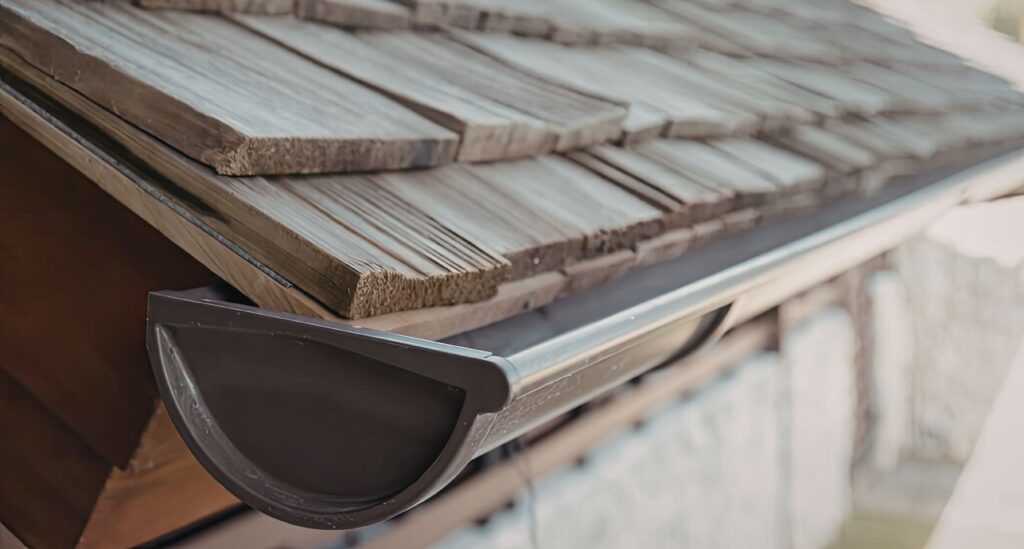
Your gutters might not be the most noticeable feature of your home, but they’re one of the hardest‑working. Every time it rains, they direct thousands of litres of water away from your roof, walls, foundations, and landscaping. When everything is working properly, it’s easy to forget they’re even there. But when gutters become blocked, damaged, or neglected, the consequences can be expensive.
Many Sydney homeowners assume gutters need replacing simply because they’re getting old. In reality, most gutter systems fail prematurely because they haven’t been properly maintained. The good news is that with regular care, quality gutters can last for many years. I’ve seen well‑maintained systems continue performing long after homeowners expected them to need replacing, while relatively new gutters deteriorated quickly due to blocked downpipes, overflowing water, and a lack of upkeep.
Your gutters have one important job: to collect rainwater from your roof and safely direct it away from your home. When they stop doing that effectively, water begins damaging roof structures, fascia boards, exterior walls, foundations, and even landscaping. Regular maintenance not only protects your home but also reduces unnecessary wear on the gutter system itself.
Several factors contribute to gutter deterioration. Blockages, standing water, rust, corrosion, storm damage, bird activity, poor installation, and neglect are the most common culprits. Most of these issues can be reduced or prevented with routine inspections and timely repairs.
The simplest way to extend the life of your gutters is to keep them clean. Leaves, twigs, bark, dirt, and other debris build up over time, restricting water flow. When water can’t drain properly, it sits inside the gutter, increasing the risk of rust, corrosion, overflow, and sagging. For most Sydney homes, professional cleaning every six to twelve months is recommended, though homes near large trees may need more frequent attention.
Small repairs should never be ignored. Loose brackets, minor leaks, small cracks, and separated joints may seem insignificant, but they quickly escalate if left unattended. Repairing faults early often costs far less than replacing entire sections later. Downpipes are just as important as gutters themselves. A blocked downpipe can cause water to back up even if the gutters are clean. Signs of blockage include overflowing gutters, slow drainage, and water pooling around your home. Flushing downpipes during routine maintenance ensures water flows away efficiently.
Sydney storms place enormous stress on gutter systems. Strong winds deposit leaves, branches, bark, and seed pods, while heavy rainfall reveals hidden drainage problems. After major storms, inspect gutters for blockages, overflow, loose brackets, and physical damage. Early action prevents minor issues from becoming expensive repairs.
Leaf guards are another smart investment for homes surrounded by mature trees. They reduce blockages, improve water flow, and minimise maintenance. While they don’t eliminate cleaning entirely, they help protect gutters from excessive debris build‑up. Trimming overhanging branches also reduces blockages and lessens the workload on your drainage system. It can even prevent storm‑related roof damage.
Birds are a surprisingly common cause of blocked gutters in Sydney. They carry twigs, grass, feathers, and leaves into gutters while building nests. Over time, these materials restrict water flow and increase overflow risks. Professional bird proofing helps keep gutters cleaner and reduces long‑term maintenance requirements.
Standing water should never remain in gutters long after rainfall. Pooling water indicates poor slope, blockages, or sagging sections. Prolonged exposure accelerates rust and corrosion. If water regularly sits in your gutters, a professional inspection is worthwhile. Rust is one of the biggest threats to metal systems. Small patches often appear around joints, screws, or areas where water pools. Addressing rust early prevents holes and structural weakness. If corrosion becomes widespread, replacing affected sections may be necessary.
Brackets and fasteners also need attention. Gutters rely on them to stay securely attached to fascia boards. Over time, brackets loosen due to heavy debris, overflowing water, or storm movement. Loose gutters sag and hold standing water, creating further problems. Routine inspections identify loose fixings before they cause larger issues. Roof valleys should also be kept clear. They direct significant amounts of rainwater into gutters, but when blocked with leaves or debris, water can overflow before reaching the system. Keeping valleys clean improves drainage and reduces unnecessary pressure.
Not every gutter issue is obvious from the ground. Professional inspections identify hidden damage, early corrosion, drainage issues, and structural weaknesses. Small maintenance tasks discovered during inspections often prevent expensive repairs later. Warning signs that gutters need attention include water overflowing during rain, sagging sections, rust spots, peeling paint near gutters, water pooling around foundations, leaking joints, and even plants growing inside. Addressing these problems early maximises lifespan.
Many homeowners unintentionally shorten gutter life by skipping cleaning, ignoring minor repairs, allowing birds to nest, neglecting downpipes, or waiting until leaks appear. Consistent maintenance is far more effective than reacting to major problems. Maintenance frequency depends on your property. Homes with few trees generally need cleaning every six to twelve months. Homes near large trees may require cleaning every three to six months. Properties with frequent bird activity benefit from more frequent inspections.
Routine maintenance may seem like an extra expense, but it saves money over time. Well‑maintained gutters help prevent roof leaks, water damage, fascia replacement, foundation repairs, and premature gutter replacement. A small investment today prevents much larger repair bills in the future.
Your gutters are one of your home’s most important defence systems against water damage. Like any part of your property, they perform best when regularly maintained. By cleaning gutters, inspecting them after storms, addressing small repairs promptly, managing nearby trees, and considering leaf guards or bird proofing where appropriate, Sydney homeowners can significantly extend the life of their gutter systems. Taking care of gutters today means fewer repairs, better drainage, and greater peace of mind when the next storm rolls in.
If you want to keep your gutters performing at their best for years to come, book a professional gutter inspection and cleaning service in Sydney and protect your home with preventative maintenance.